

Making friends used to be automatic. School put you in a room with the same thirty people for years, and something worked itself out. Then adulthood happens, and suddenly you have to actually try, plan things, follow up, show up when it would be easier not to. A lot of people quietly let that muscle go soft somewhere in their late twenties and never really get it back, and then wonder years later why life feels flatter than it should, even when everything else on paper is going fine. Community isn’t a nice-to-have you get to once the job and the workouts and the bills are handled. It’s the thing that makes all of that feel worth doing in the first place.
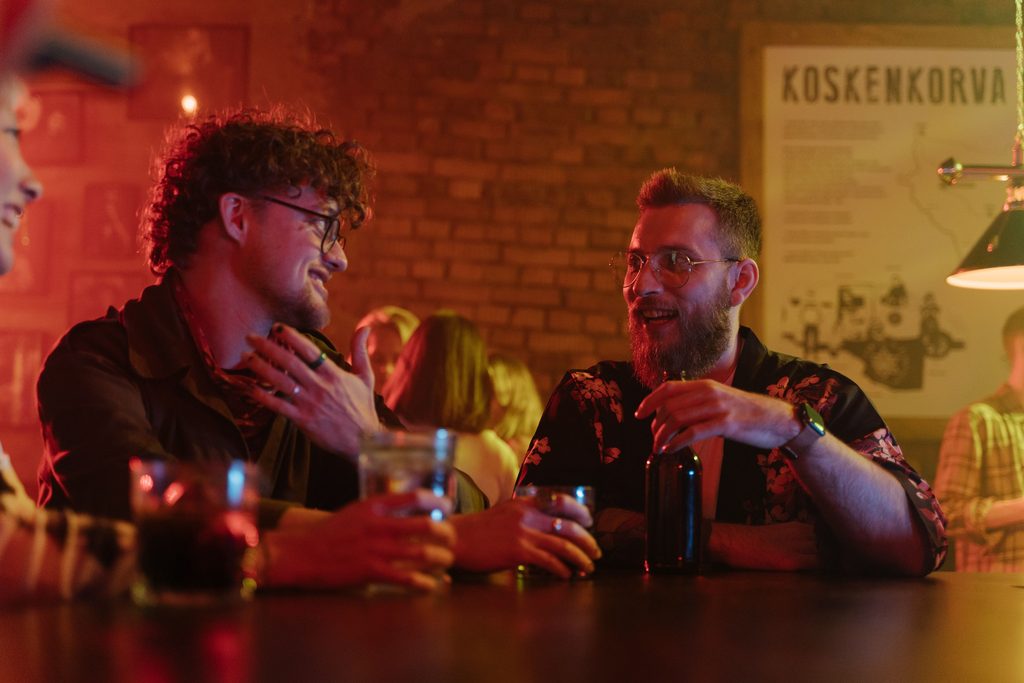
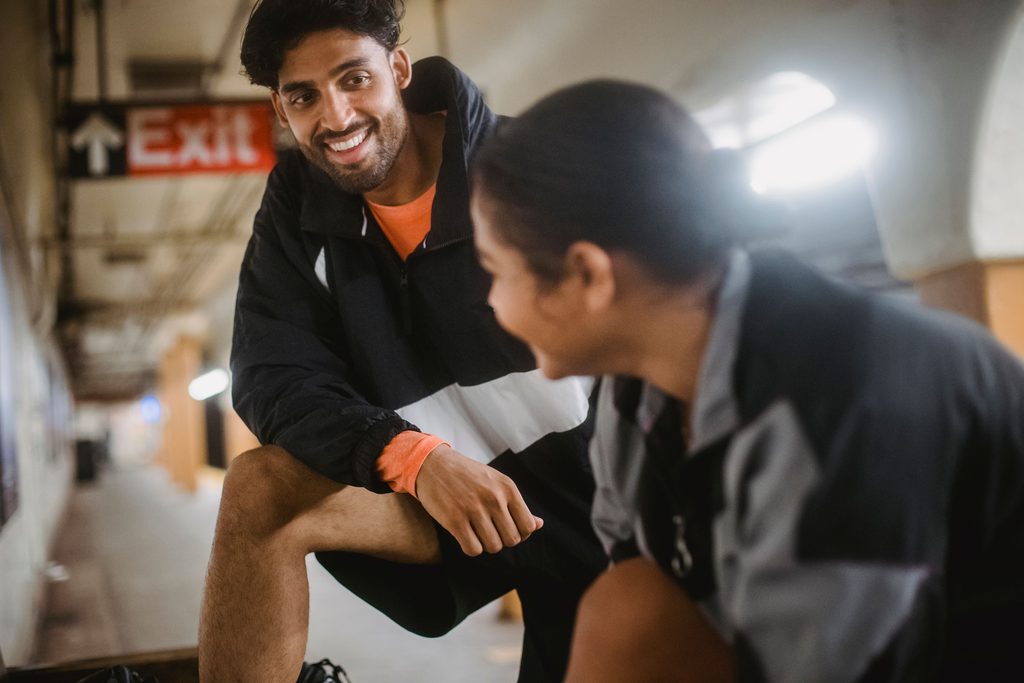
You don’t need a big circle. You need a few people who’d actually notice if you disappeared.
Public health officials have spent the last few years flagging isolation as a real, measurable risk to people’s health, not just a vague feeling of being a little lonely sometimes. That’s not a guilt trip, it’s just useful information: the people around you aren’t a bonus feature on a good life, they’re closer to infrastructure. Community shows up in the practical stuff too, the parts nobody puts on a vision board. It’s the friend who notices you skipped the gym three weeks running and actually says something instead of letting it slide, which is the same idea behind finding an accountability partner in Ten Essential Fitness Habits For Success, habits stick a lot better with a witness. It’s also the network that opens doors in your forties that skill alone never would, the exact thing we got into in Navigating Career Growth In Your Thirties. Community isn’t separate from the rest of your life. It’s the thing running underneath all of it, whether you’re paying attention to it or not.
The good news is it doesn’t require a personality transplant to build. It requires showing up to the same thing more than once, a rec league, a group, a standing dinner, whatever fits the life you actually have instead of the one you think you’re supposed to want. Local shows are a good, low-pressure way in if you’re not sure where to start. Orlando’s own Community Podcast, hosted by Nick out of The Community Paper, is basically a weekly tour through what’s actually happening around town, events, people, small businesses worth knowing about, which makes it an easy entry point if you’re new somewhere or just out of the loop. Over in Tampa, Chuck Merlis runs Tampa Stories, sitting down with the entrepreneurs and community figures who are quietly shaping neighborhoods like Ybor City and St. Pete. Neither show requires you to leave the house to start feeling more plugged into where you live, and both are the kind of thing that turns into an actual event you show up to once you’ve been listening a while.
Age changes the shape of this but never the need for it. Twenty-somethings build community by accident, through proximity and shared chaos. Forty-somethings have to build it on purpose, usually around kids’ schedules or work, which is why it thins out for so many people right around then. Sixty-somethings often have to rebuild it from scratch after retirement quietly removes the one place they used to see people every day. None of that is a reason to skip it, if anything it’s the reason to treat it like something you maintain instead of something that just happens to you.
Pick one thing this month. Not a five-year plan, just one recurring thing you show up to more than once. A group, a class, a local podcast’s live event, a standing coffee with someone you keep meaning to call. The people who feel most connected at sixty aren’t the ones who got lucky. They’re the ones who kept showing up in their thirties and forties when it would’ve been easier not to, and never let the muscle go soft in the first place. That’s the whole trick, really, not some grand plan for connection, just enough small, repeated effort that community becomes a habit instead of an event you keep meaning to get around to. Start smaller than feels necessary. It still counts.