

Everybody wants the secret. The one supplement, the one program, the one hack that turns effort into results overnight. Here’s the thing: there isn’t one. What actually works is boringly simple, which is exactly why most people skip it in favor of something flashier. The ten habits below aren’t groundbreaking. They’re just the stuff that separates the people still training in December from the ones who quit by Valentine’s Day. Stack enough of these and you stop needing motivation, because the routine carries you on the days motivation doesn’t show up.

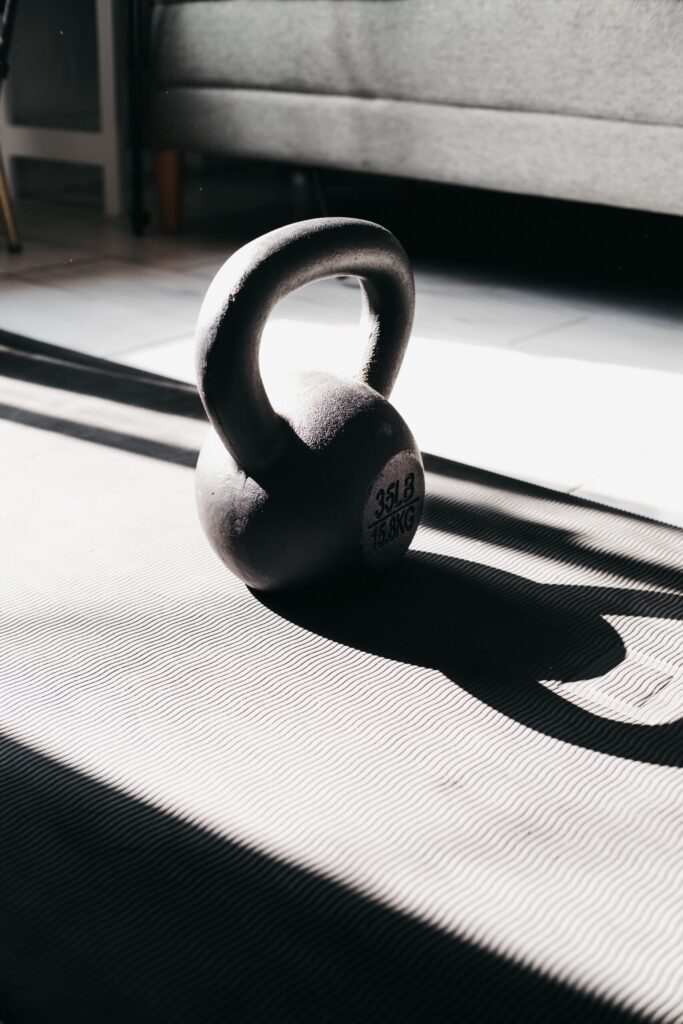
Discipline isn’t the absence of bad days. It’s showing up on them anyway.
The quick list:
- Schedule training like a meeting you can’t cancel — running, walking, lifting, cross training, yoga, pilates, a pickup game, whatever moves you
- Protect your sleep — seven-plus hours, non-negotiable
- Eat enough protein, consistently
- Track your workouts somewhere, even just your phone
- Warm up before you go hard
- Twenty minutes beats zero, every time
- Take your recovery days on purpose
- Find one person who’ll notice if you disappear
- Set goals around what you do, not just what the scale says
- Notice your small wins before the big ones ever show up
Start with the habit nobody wants to hear: treat training like a meeting you can’t reschedule. That covers more ground than people assume — running, walking, weight lifting, cross training, yoga, pilates, an hour of basketball or tennis or whatever sport you actually enjoy. Block it on the calendar the same way you’d block a call with your boss, because if it’s optional, it’ll lose to literally anything else on a busy day. From there, sleep does more heavy lifting than any pre-workout on the market — seven-plus hours is when your body actually rebuilds the muscle you tore up in the gym, not during the workout itself. Eating enough protein matters less as a diet trend and more as basic maintenance; think of it like changing the oil in a car you plan on driving for another twenty years. Track your lifts somewhere, even just notes on your phone, because “I think I got stronger” and “I added ten pounds to my squat since March” are two very different feelings. And don’t skip the warm-up — five minutes of mobility work is cheap insurance against the injury that sidelines you for six weeks.
The back half of the list is where most people fall off, because it’s less about grinding harder and more about not sabotaging yourself. Consistency beats intensity every time — a mediocre twenty-minute workout you actually do beats the perfect ninety-minute session you keep pushing to tomorrow. So remember: twenty minutes is better than zero. Not finishing your workout doesn’t mean you didn’t work out. Look at what actually happened instead of what didn’t — you got up, got dressed, and made the effort again. Showing up counts, full stop, whether or not you finish the set you had planned. Actually take your recovery days instead of treating rest like weakness; muscle grows during the downtime, not during the set. Find one person to keep you honest, whether that’s a training partner, a coworker who’ll notice if you skip a week, or just a group chat where somebody asks where you were. Set goals around the process instead of just the outcome — “I’m training four days a week” is something you control; “I’m down twenty pounds by June” isn’t, not entirely. And actually notice your small wins. The extra rep, the lighter breathing on stairs, the jeans that fit different — those are the receipts that keep you going long before the big transformation photo ever shows up, and for a lot of people, it never does, and that’s fine too.
None of this works as a checklist you knock out once. It works as a loop — you do it, you feel the difference, and that feeling makes the next rep easier to show up for. Pick two habits from this list you’re not doing yet and add them this week. Not all ten. Two. Building something that lasts beats burning out trying to fix everything at once, and that’s true whether you’re talking about a training plan, a business, or pretty much anything worth sticking with. Ten habits is the list. Two habits a week is the plan. That gap is where most people actually live, and it’s enough.
One response to “Ten Essential Fitness Habits For Success”
[…] instead of letting it slide, which is the same idea behind finding an accountability partner in Ten Essential Fitness Habits For Success, habits stick a lot better with a witness. It’s also the network that opens doors in your […]